- Differentiated Instruction
Intentional Differentiation Informed by Data
Teachers can increase the odds of setting students up for success by reviewing a variety of learner data as part of lesson prep.Your content has been saved!
Go to My Saved Content. - Administration & Leadership
Using Socratic Seminars to Amplify Teacher Voice in Staff Meetings
A common classroom strategy can also be used to facilitate meaningful discussions about school initiatives.Your content has been saved!
Go to My Saved Content. - Trauma-Informed Practices
Helping Students Feel Safe in an Uncertain World
There’s no magic strategy for living through hard times, but educators can support students by creating spaces that feel safe and joyful.Your content has been saved!
Go to My Saved Content. - Teaching Strategies
3 Visual Thinking Exercises to Try in English Class
Activities like mapping, sketching, and sculpting can help students clarify ideas—and deepen their literary analysis skills.Your content has been saved!
Go to My Saved Content. - Assessment
Moving Beyond Traditional Lab Reports in High School
A teacher who wanted to shift from assessing compliance to assessing students’ thinking shares the tweaks she made in her assignments.224Your content has been saved!
Go to My Saved Content. - Professional Learning
Building Collective Teacher Efficacy in Weekly Team Meetings
When you make time for regular routines for sharing successes and expertise, both teachers and students benefit.269Your content has been saved!
Go to My Saved Content. - Literacy
A Framework for Effective Literacy Support in Middle School
Screening tools and diagnostic assessments can aid educators in setting up a Multi-Tiered System of Support so that students reach appropriate grade-level reading benchmarks.Your content has been saved!
Go to My Saved Content. - Professional Learning
How to Ace a Teaching Job Interview
Whether you’re a novice or a veteran, interviews can feel like high-stakes tests, so it’s important to make a plan and then stick to it. - Research
Why Writing by Hand Beats Typing (in 6 Charts)
Typing may be faster, but the research shows that handwriting engages our brains in richer, more meaningful ways. - Creativity
Encouraging Students to Demonstrate Learning Creatively
Students develop a sense of ownership over learning and find new ways to be successful when they can choose how they show what they know.








Popular
- Student Engagement
Refocus Students With Silent Brain Breaks
These three activities allow early elementary students to play while also creating a sense of calm they carry back into learning.46.8kYour content has been saved!
Go to My Saved Content. - Technology Integration
Should Laptops Really Go the Way of Cell Phones?
Having won the battle on phones, some public intellectuals are calling for laptops to disappear from classrooms, too. Many teachers say that would be a mistake. - Research
Why Writing by Hand Beats Typing (in 6 Charts)
Typing may be faster, but the research shows that handwriting engages our brains in richer, more meaningful ways. - Research
Angela Duckworth: Where There’s a Will There’s a Way Out
The renowned author and researcher explains how student willpower stacks up against powerful tools like cell phones and AI chatbots. - Classroom Management
What Purposefully Circulating Through the Classroom Looks Like
Close observation during tasks helps teachers correct misunderstandings and celebrate when students are getting things right.




- Assessment
Podcast: Rethinking Zeros in the Grade Book
No-zeros policies aim to level the playing field, but without the lever of a failing grade, can teachers balance accountability, motivation, and accurate assessment?
791Your content has been saved!
Go to My Saved Content. - Administration & Leadership
Taking a Deeper Look at Student Data
Acting as data detectives, school leaders and teachers can work together to better understand student needs.1.2kYour content has been saved!
Go to My Saved Content. - Assessment
Fun End-of-Year Assessments for Art Classes
Teacher can try incorporating scavenger hunts and a Pictionary-style tournament to get students to show what they know.827Your content has been saved!
Go to My Saved Content. - Assessment
The Philosophy Behind Allowing Retakes
Because student proficiency develops over time, assessment retakes play an important role in accurately measuring learning.2.4kYour content has been saved!
Go to My Saved Content. - Curriculum Planning
How to Avoid Rushing—a Pitfall for Even the Most Experienced Teachers
There are always too many standards to meet and assignments to grade. These strategies can help you reject haste in favor of care and clarity.




- Technology Integration
Using Technology to Promote Math Talk
By listening to recordings of students solving math problems, teachers can determine their next steps, such as how to pair students up. - English Language Learners
7 Ways to Help English Learners Speak Up in Class
Strategies like extending wait time and having students write before speaking create conditions for English learners to feel confident participating in discussions.2.9kYour content has been saved!
Go to My Saved Content. - English Language Learners
Making Space for Students’ Home Languages in the Classroom
Teachers don’t need to speak students’ home languages to use them as a resource for learning and creating a sense of belonging.5.4kYour content has been saved!
Go to My Saved Content. - Career & Technical Education
Who Will Your Students Be in 2040?
Guiding English learners to imagine their future selves and role-play a class reunion promotes research and speaking skills.2.5kYour content has been saved!
Go to My Saved Content. - Culturally Responsive Teaching
A Poetry-Writing Exercise to Support English Learners
In this lesson, high school students write ‘I am’ poems in their home language and then translate them into English, building crucial literacy skills.2.5kYour content has been saved!
Go to My Saved Content.





- Formative Assessment
How to Create Highly Effective, Discussion-Worthy Multiple-Choice Questions
Well-written multiple-choice items can deepen thinking and learning, rather than simply challenging students to recall basic facts. - Formative Assessment
Implementing a ‘Halftime Ticket’ to Gauge Understanding
Teachers can borrow the idea of halftime from sports by shifting exit tickets to earlier in the class, assessing how well students understand a lesson—and what they need to get the win. - Teaching Strategies
Making the Most of Learning Objectives
Asking students to unpack learning objectives with a quick routine helps them connect prior knowledge and feel more prepared for the day’s lesson.25.7kYour content has been saved!
Go to My Saved Content. - Teaching Strategies
How to Build Review Activities Into Daily Lessons
When teachers revisit earlier lessons in small, structured ways, students feel more confident on assessments—and retain the content better.8.1kYour content has been saved!
Go to My Saved Content. - Assessment
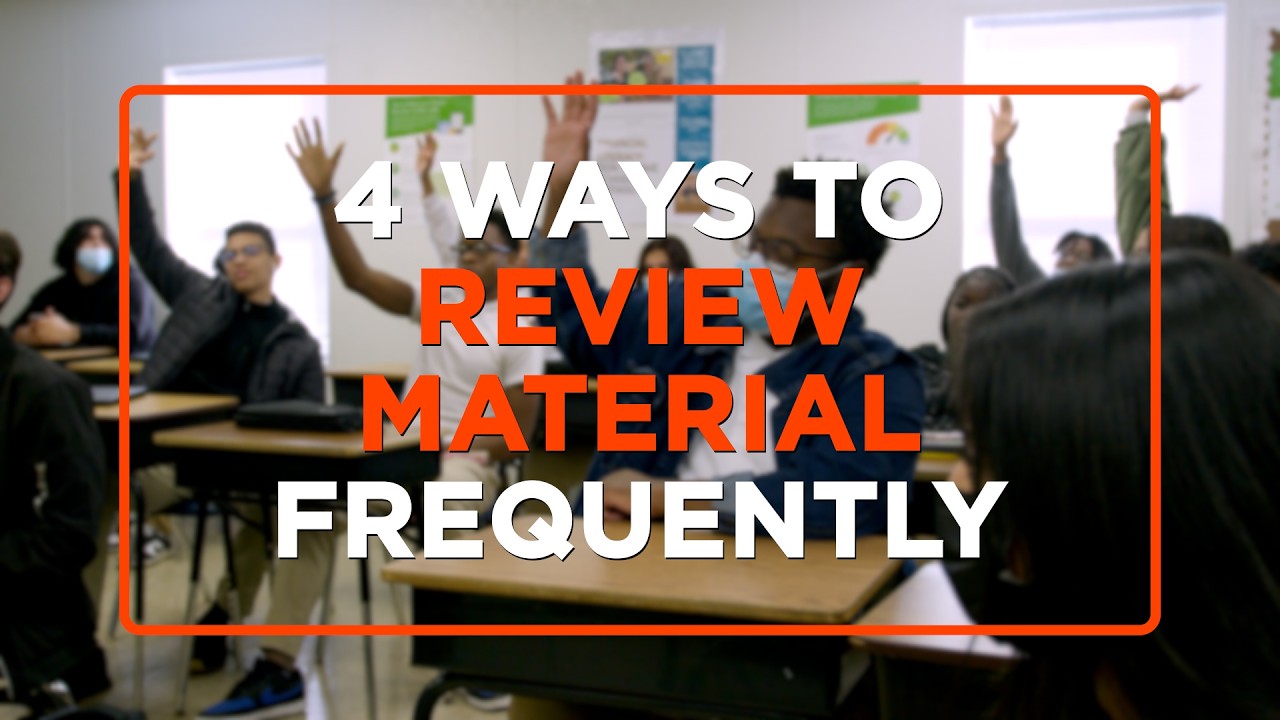
Easy Ways to Have Students Review Material Frequently
Students retain information better when they have consistent opportunities to engage with previously taught content.