Critical Thinking
Whether via classroom discussions, analysis of written text, higher-order questioning, or other strategies, learn and share ways to help students go deeper with their thinking.
8 Classroom AI Policies Developed by Teachers
Setting clear, shared expectations around student AI use is uncharted territory for many teachers. Educators across disciplines and grade levels share their current policies.Using Picture Books to Teach Children About Large Numbers
These strategies help elementary students grapple with the very large numbers involved in talking about time and space.Your content has been saved!
Go to My Saved Content.Exploring Before Explaining Sparks Learning
New elementary science teachers can build student engagement and enhance learning by using the explore-before-explain approach.Your content has been saved!
Go to My Saved Content.Adapting Socratic Seminars for Elementary
With a few key modifications, teachers can make a complex academic discussion into an excellent learning opportunity for younger students.9 Simple Ways to Deter AI Use and Deepen Student Thinking
Activities that ask students to briefly pause and reflect before, during, and after they finish writing emphasize the importance of the process, rather than the final product.Ensuring That Students Correctly Understand the Equal Sign
Many students see the equal sign as a signal to calculate, rather than a symbol of equivalence. Here’s how to clear up that misunderstanding.7 Ways to Get Math Students to Show Their Thinking
Math isn’t just about answers—the process matters, too. These strategies spotlight reasoning and reveal student thinking.88.9kYour content has been saved!
Go to My Saved Content.Activating Prior Knowledge With Hexagonal Thinking
By creating a visual web of knowledge, students can demonstrate what connections they have already made about a topic, and where they might need additional clarification and support.61.9kYour content has been saved!
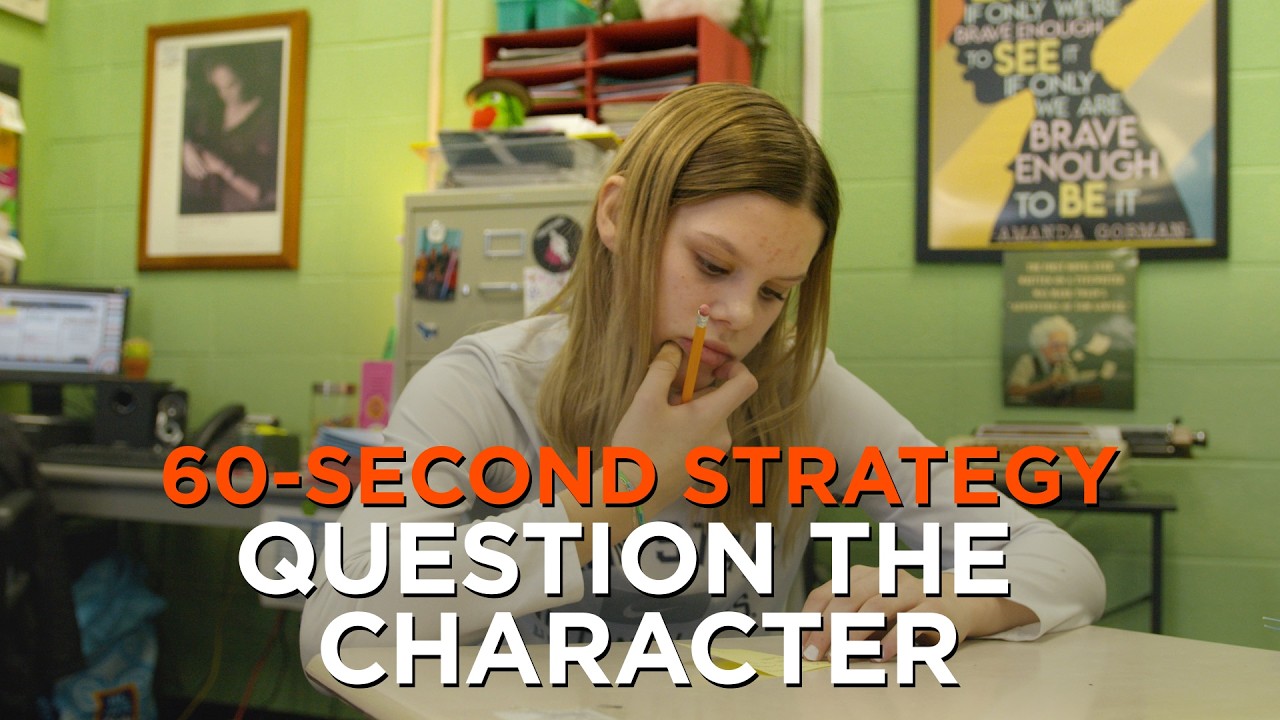
Go to My Saved Content.60-Second Strategy: Question the Character
Having students engage with the characters they’re reading about reveals whether they read the chapter—but better yet, it improves their literary analysis skills and elevates classroom discussion.Rescuing Middle School Math Students From Keyword Traps
When students look for keywords, they may fail to read the whole problem. Teachers can use these three strategies to help students accurately understand what they need to do.204Your content has been saved!
Go to My Saved Content.
Why Students Should Write in All Subjects
Writing improves learning by consolidating information in long-term memory, researchers explain. Plus, five engaging writing activities to use in all subjects.377.6kYour content has been saved!
Go to My Saved Content.16 Variations on Think-Pair-Share to Keep Students Engaged
Teachers and students use this classic learning strategy often. To keep it from getting stale, try these tweaks.Targeted Exercises That Develop Students’ Revision Skills
Across grades 3–12, students often struggle to revise their writing. Having them focus on one issue at a time helps them develop this invaluable skill.6 Routines to Get Students Unstuck
When students are grasping at straws, these self-directed strategies help them to pause, make a plan, and pivot more effectively.21.5kYour content has been saved!
Go to My Saved Content.
Using Morning Messages to Start the Day in Distance Learning
The morning message is a popular way to help elementary students transition into school—and it can be adapted for home learning.314.8kYour content has been saved!
Go to My Saved Content.