Project-Based Learning (PBL)
Project-based learning is a dynamic classroom approach in which students actively explore real-world problems and challenges and acquire transferable knowledge.
Teaching a Deeper Understanding of Language With a Yearlong Word Journal
Guiding elementary students to dive into learning about how a single word can boost their curiosity and vocabulary skills.How Accessible Tech Can Promote Empathy and Collaboration
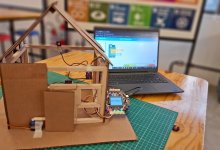
A middle school design and technology teacher breaks down a three-project unit that nicely overlaps with STEAM content.Your content has been saved!
Go to My Saved Content.When Good Research Gets Implemented Badly
As brilliant ideas move from academic journals into classrooms, many important nuances are lost.Giving Students a Choice in How They Will Demonstrate Their Learning
When assessments aren’t just about a grade, students can experience a classroom filled with creativity, engagement, and evidence of their learning.6.9kYour content has been saved!
Go to My Saved Content.Designing Science Inquiry: Claim + Evidence + Reasoning = Explanation
The Claim, Evidence, Reasoning framework is a scaffolded way to teach the scientific method.592.2kYour content has been saved!
Go to My Saved Content.Implementing a PBL Design Challenge in Your School
A weeklong, schoolwide project-based learning challenge encourages students to try to tackle meaningful problems.13kYour content has been saved!
Go to My Saved Content.Projects, Purpose, and the Teenage Mind
Neuroscientist Mary Helen Immordino-Yang on why adolescent students search for deeper meaning—and what that tells us about designing schools that engage teens.Inquiry-Based Tasks in Social Studies
Assignments that are bigger than a lesson and smaller than a unit are a good way to experiment with inquiry-based learning.207.1kYour content has been saved!
Go to My Saved Content.6 Strategies for Differentiated Instruction in Project-Based Learning
Reflecting on learning and student voice and choice are core elements of project-based learning, and they’re also key to differentiation.278kYour content has been saved!
Go to My Saved Content.10 National Parks Service Resources Every Teacher Should Know About
Teachers can explore these lesson plans, websites, and other resources to enhance project-based learning units that incorporate a variety of subjects.21.1kYour content has been saved!
Go to My Saved Content.Using a Learning Map to Build Exemplary PBL Units
By developing—and revisiting—an instructional roadmap that connects standards, activities, and skill development, these teachers put students on a path toward mastery.Projects and Project-Based Learning: What’s The Difference?
Ever wondered what makes rigorous PBL different from a typical project? With the help of classrooms around the world, we can show you.159.6kYour content has been saved!
Go to My Saved Content.10 Ready-to-Borrow Project Ideas
As you consider the following project possibilities, ask yourself: Would this project help my students meet important learning goals? Would my students find it engaging?207.4kYour content has been saved!
Go to My Saved Content.
Big Ideas for Better Schools: Ten Ways to Improve Education
Ideas for students, teachers, schools, and communities.393.1kYour content has been saved!
Go to My Saved Content.How to Write Effective Driving Questions for Project-Based Learning
Good driving questions are written to help guide the teacher and the student.198.1kYour content has been saved!
Go to My Saved Content.